
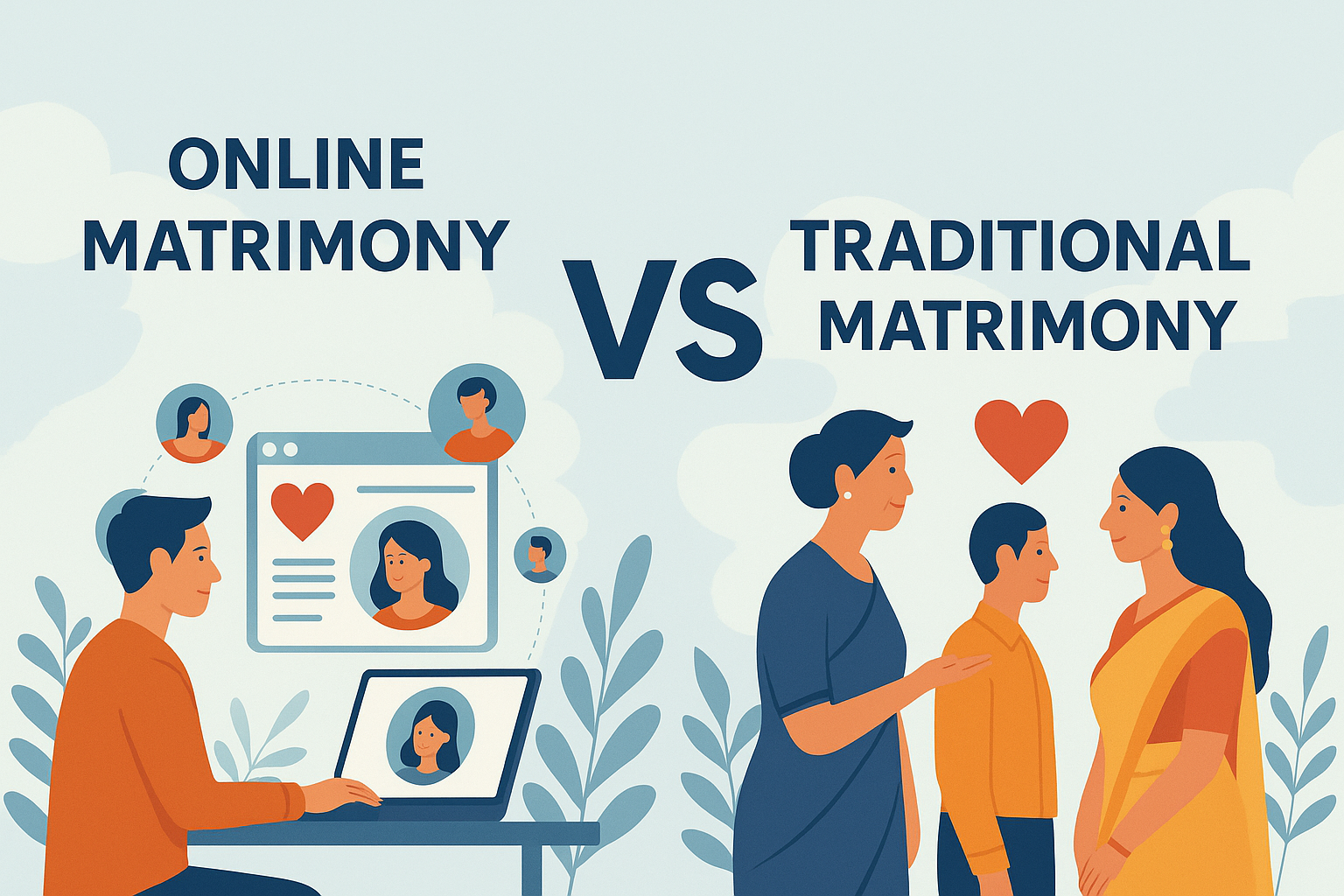
Online Matrimony Vs Traditional Matrimony
In recent years, the landscape of matrimonial arrangements has significantly evolved, with online matrimonial platforms rapidly replacing traditional matchmaking methods. Especially in countries like Sri Lanka, where matrimonial traditions have historically been robust and community-centric, the shift towards online matchmaking is particularly notable. Here's an exploration of how online matrimony has steadily replaced traditional practices and reshaped the process of finding life partners.
Greater Convenience: Online matrimonial platforms offer unparalleled convenience. Unlike traditional methods, which often involve physically visiting homes, meeting through family introductions, or participating in community events, online matrimony allows individuals to browse through numerous profiles from the comfort of their homes or workplaces, saving valuable time and resources.
Expanded Choices: Traditional matrimony relies heavily on family and social networks, limiting the potential pool of suitable matches. Online matrimony expands these boundaries significantly, enabling access to profiles beyond geographical, cultural, and even national barriers. Individuals can now explore diverse options, enhancing their chances of finding the most compatible partner.
Enhanced Privacy: Privacy is a substantial benefit of online matrimony. Unlike traditional matchmaking, where interactions are often public and involve extensive community involvement, online platforms offer a discreet way to search for partners. Users can manage their search privately, deciding whom they wish to interact with and when to involve family and friends.
Personalized Search: Online matrimonial services provide powerful tools to filter searches based on personal preferences, including education, profession, religion, community, hobbies, and even specific lifestyle choices. This targeted approach makes the matchmaking process more efficient and aligned closely with individual expectations.
Improved Communication: Online platforms facilitate clear and direct communication through messaging, video calls, and other integrated features. This allows for better understanding and assessment of compatibility before committing to in-person meetings, reducing misunderstandings and enhancing the clarity of intentions and expectations.
Verified Information: Reputable online matrimonial sites offer verified profiles, ensuring authenticity and reducing the risk of deception. Traditional methods often lack such rigorous verification, occasionally leading to misinformation and subsequent disappointments.
Cost-Effectiveness: Traditional matrimonial methods can be costly, involving elaborate ceremonies, frequent travel, and numerous social gatherings. Online matrimony dramatically reduces these costs, providing affordable and efficient ways to connect potential partners.
Changing Cultural Dynamics: Online matrimony accommodates changing societal values and expectations, particularly among younger generations who value autonomy, direct communication, and personal preferences over traditional family-led decisions. It allows individuals greater control and independence in choosing their life partners.
Acceptance and Integration: Increasingly, families and communities are recognizing and accepting online matrimonial platforms as valid and effective ways to facilitate successful matches. This growing acceptance ensures smoother integration into traditional processes, bridging generational and cultural gaps.
In conclusion, online matrimonial platforms have effectively replaced traditional matrimony by offering greater convenience, privacy, broader choices, and cost-effective solutions. While maintaining cultural sensitivities and familial involvement, online matrimony has revolutionized how people find their life partners, making the matchmaking process more personalized, efficient, and successful.